
Michelle Yemi-Adenuga
Product Designer
The Importance of User-Centered Design in Product Development: A guide to User-Centered Design.
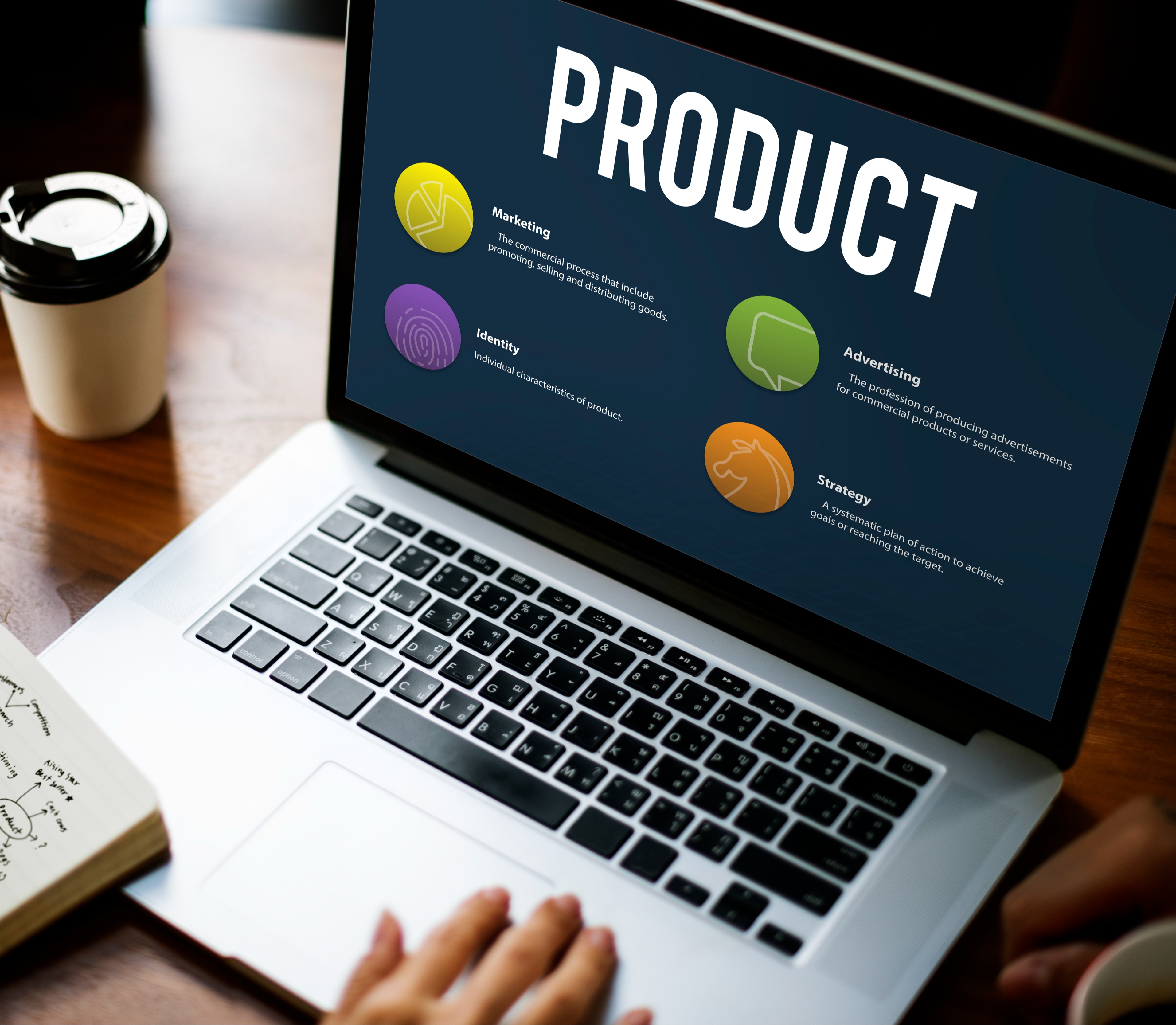
Product design is a complex process that involves a range of considerations, from technical feasibility to market demand. However, one of the most critical factors in creating a successful product is user-centered design. In this post, we'll explore what user-centered design is and why it is so important in product development.
What is User-Centered Design?
User-centered design is a method of product development that prioritizes comprehending the requirements, inclinations, and actions of a product's end-users. It involves gathering user feedback at every stage of the design process, from ideation to prototyping and testing.
The goal of user-centered design is to create products that are useful and desirable for their intended users, which means understanding what people want or need from your product before building it.
Why is User-Centered Design Important?
User-centered design is important because it can lead to;
- Better user experience:User-centered design ensures that the final product prioritizes the needs and preferences of the users and guarantees a personalized end product that leads to an exceptional user experience. A good user experience means that your product is easy to use, intuitive and enjoyable for the people who use it. This will help you attract new customers and retain existing ones.
- Higher adoption rate: User-centered design helps make sure that there are no barriers between users and their goals when using any given product or service (e.g., making sure they have access to whatever information they need). Designing a product with the user as the central focus increases the likelihood of regular adoption and utilization, ultimately resulting in enhanced customer satisfaction.
- Competitive Advantage: Products that are designed with the user in mind can give a company/product a competitive advantage by differentiating it from competitors and providing a unique value proposition.
How do you implement user-centered design in your product development process?
There are four important stages that are crucial to ensuring that users are at the center of your design.
- Conducting user research: Before starting the design process, it is essential to gather user feedback through surveys, interviews, and focus groups.
- Creating user personas: Employ the information obtained from user research to construct personas, which are fictional depictions of the intended users. Personas help the design team understand the needs, preferences, and behaviors of the users.
- Involving users in the design process: Throughout the design process, it is important to involve users in the decision making processes through activities such as usability testing, focus groups, and feedback sessions.
- Iterate and reiterate based on user-feedback: Use the feedback gathered from users to refine and improve the design, iterating until the final product meets the needs and preferences of the users.
In summary
User-centered design is a critical factor in creating successful products. By understanding the needs and preferences of the users and involving them in the design process, companies can create products that provide a better user experience, higher adoption rate, and competitive advantage.
In order to do this effectively, however, you need to understand how your customers think about their problems or goals before you start designing solutions for them. This means knowing what information they have available (or lack), why they might want something like yours over another option on the market today, and what kinds of things might go wrong if those needs aren't met well enough by your solution.


2023 Tech Monstro. All Rights Reserved
- Privacy Policy
Terms of Use